Unpacking How Mobile App Update Cycles Reshape Eligibility Rules for Digital Wheel Game Incentives in Regulated Markets
Kai Wagner · Aug 12, 2026
Unpacking How Mobile App Update Cycles Reshape Eligibility Rules for Digital Wheel Game Incentives in Regulated Markets
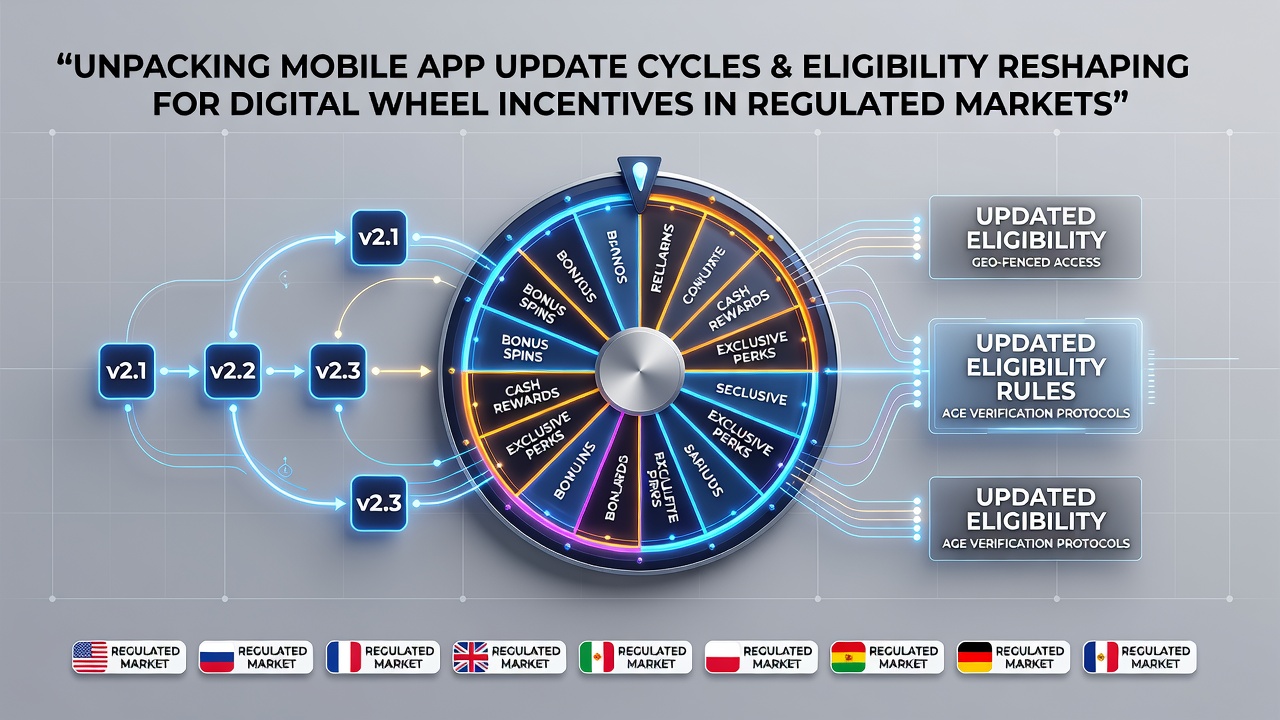
Regulated markets have seen mobile app update cycles become central to how operators manage eligibility for digital wheel game incentives, with developers releasing new versions that incorporate compliance checks and revised access protocols. These cycles often align with regulatory reporting deadlines, forcing platforms to adjust rules around player verification, geolocation accuracy, and account status before bonuses activate. Data from industry tracking systems indicate that version-specific requirements now determine whether players qualify for free spins or loyalty rewards tied to roulette-style games.
Mechanics of Update Cycles in Digital Platforms
App developers typically schedule updates on quarterly or semi-annual cadences, and each release integrates new backend rules that filter user eligibility based on current regulations. Observers note that when a new version rolls out, older installs lose access to certain incentive pathways until the player completes the update, which resets eligibility parameters like minimum playthrough thresholds or regional licensing validations. Research indicates that this process creates staggered access windows, where players on outdated versions encounter locked features even if their accounts previously met incentive criteria.
Platforms coordinate these updates with licensing authorities to ensure alignment, and figures from compliance audits reveal that version enforcement prevents unauthorized bonus claims across multiple jurisdictions. Those who've examined deployment logs find that mandatory update prompts appear during login sequences, and failure to comply blocks progression to wheel game incentive screens.
Regulatory Influences on Eligibility Adjustments
Regulators in various regions require operators to embed jurisdiction-specific rules directly into app code, so update cycles serve as the delivery mechanism for revised eligibility standards. According to reports from the Nevada Gaming Control Board, operators must verify that each app version enforces current player protection measures before incentives distribute, which shifts qualification criteria mid-cycle when new rules take effect. Similar patterns appear in Canadian provincial frameworks, where updates incorporate real-time identity checks that alter who receives digital wheel game rewards.
One study revealed that these embedded rules often tie eligibility to device-level data such as operating system version and security patch status, and platforms enforce them uniformly to maintain licensing. What's interesting is how a single update can simultaneously tighten age verification while expanding access for verified users in newly approved markets, creating ripple effects through existing incentive programs.
Player Pathways and Version-Specific Rules
Players encounter eligibility changes most directly when attempting to claim daily spins or tournament entries, because the latest app version gates those features behind updated compliance modules. Experts have observed that migration to new versions frequently requires re-authentication, after which systems re-evaluate account history against current incentive rules before granting access. Data shows this re-evaluation can disqualify accounts that met prior standards, particularly if recent regulatory shifts introduced stricter deposit or activity requirements.
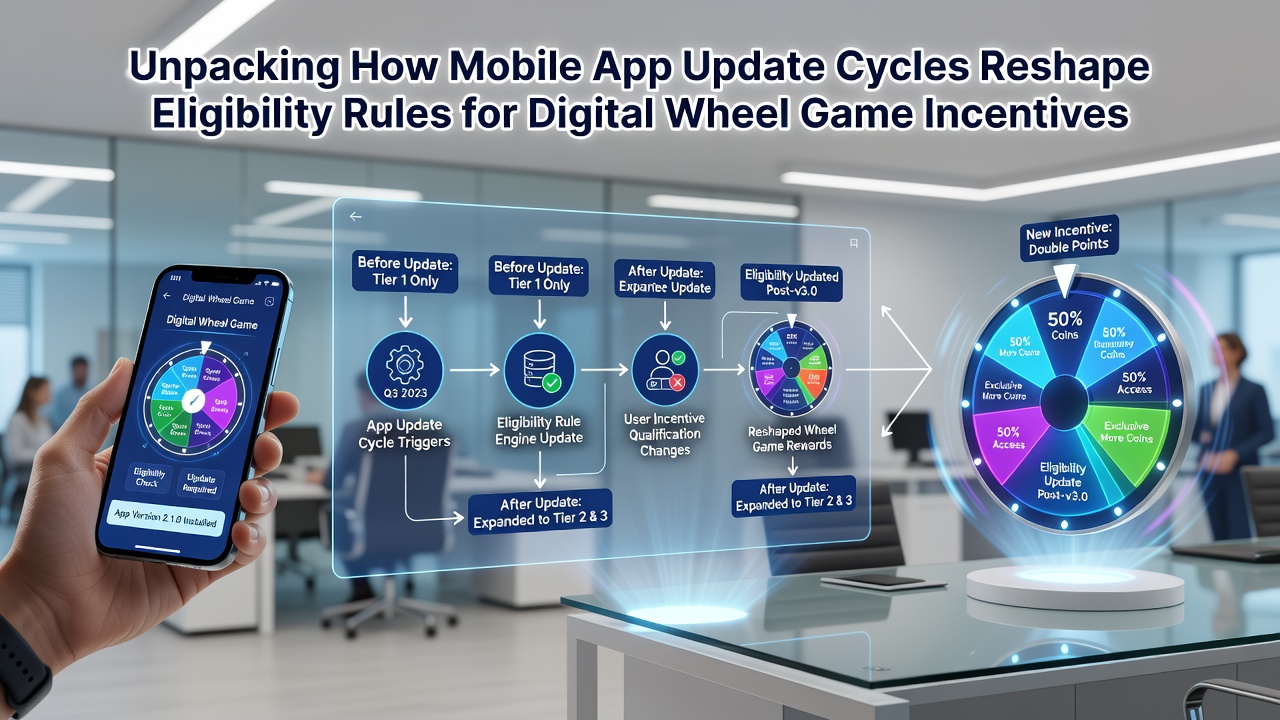
Take one operator in a multi-state market who documented how an August 2026 update cycle introduced device fingerprinting that linked eligibility to verified locations, and players outside approved zones lost access until they updated and confirmed residency. Industry organizations such as the European Gaming and Betting Association have published analyses showing similar patterns across EU member states, where version enforcement maintains consistent application of cross-border rules.
Technical Implementation and Compliance Tracking
Backend systems now log every app version interaction to audit trails, and regulators review these records during periodic assessments to confirm that eligibility rules apply correctly. Research from academic sources including the University of Las Vegas International Gaming Institute indicates that update cycles reduce instances of rule circumvention by tying incentive activation to verified software states. Platforms use server-side flags to enforce these controls, so even players who sideload older versions encounter blocked pathways.
Yet the process also creates temporary eligibility gaps during rollout periods, when partial user bases operate under different rule sets until full adoption occurs. Those monitoring deployment metrics report that communication campaigns about required updates help minimize disruptions, while automated reminders maintain momentum toward compliance.
Conclusion
Mobile app update cycles continue to serve as the primary vehicle for reshaping eligibility rules around digital wheel game incentives in regulated markets, with each release embedding new compliance layers that redefine access conditions. Regulatory bodies across regions enforce these mechanisms to uphold licensing standards, and operators adapt their systems accordingly to avoid violations. As version management grows more sophisticated, the connection between software state and incentive qualification remains a defining feature of the landscape.