Temporal Dynamics Shaping Roulette Loyalty Benefit Distributions in Digital Arenas
Cameron Hayes · Aug 21, 2026
Temporal Dynamics Shaping Roulette Loyalty Benefit Distributions in Digital Arenas
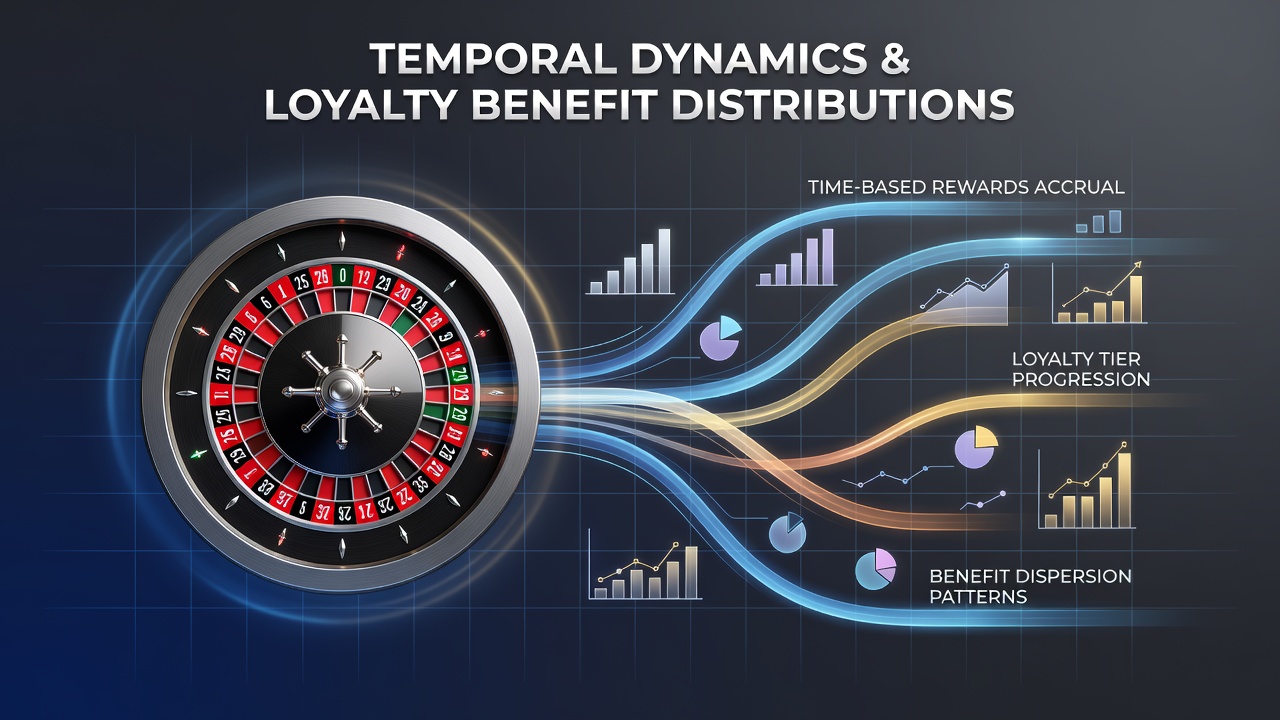
Digital platforms have developed systems that track player activity across hours, days, and seasons, which in turn influence how loyalty benefits reach roulette participants in online environments. These temporal dynamics emerge from patterns in login frequency, session length, and wager timing, all of which feed into algorithmic models that allocate rewards such as bonus credits, tier upgrades, and tournament entries.
Core Mechanisms Behind Time-Based Adjustments
Operators collect timestamped data on roulette spins and deposit behavior, then apply weighting factors that shift benefit availability according to peak and off-peak windows. Research indicates that platforms often increase free spin allocations during evening hours in specific time zones because engagement metrics rise, while morning periods receive adjusted multipliers that favor retention rather than new acquisitions. Observers note that weekly cycles also matter, since data from multiple operators shows loyalty points accumulate faster on weekends when session volumes climb by measurable percentages.
Seasonal variations add another layer. Summer months typically see higher mobile traffic, prompting systems to redistribute tournament invites toward players who maintain consistent activity despite travel disruptions. In August 2026, several platforms recorded elevated cross-border participation that triggered automatic recalibrations of loyalty thresholds, allowing users in different regions to access equivalent benefit tiers without manual intervention.
Algorithmic Responses to Player Timing Patterns
Behavioral tracking tools segment users by their historical login rhythms rather than total volume alone. Players who log in during traditionally low-activity windows receive targeted loyalty boosts to smooth distribution curves across the entire user base. Figures from industry reports reveal that such adjustments reduce clustering of rewards around high-traffic periods and spread benefit access more evenly throughout each calendar cycle.
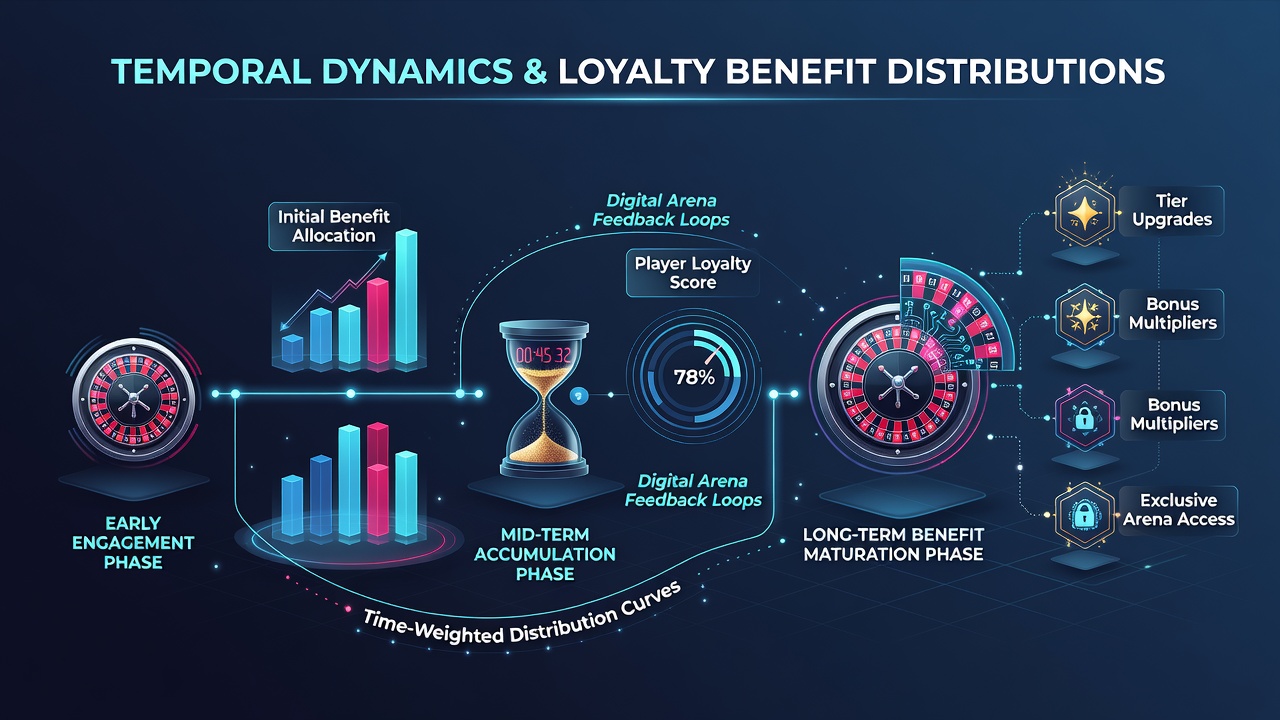
One study conducted across European markets found that loyalty programs incorporating hourly granularity issued 18 percent more mid-tier rewards during shoulder periods compared with static models. These changes occur because the underlying code monitors real-time participation density and adjusts payout probabilities for loyalty events accordingly, without altering core game mechanics.
Regulatory and Regional Influences on Temporal Distribution
Different jurisdictions impose reporting requirements that indirectly shape how operators time their loyalty releases. Data from the Australian Gambling Research Centre demonstrates that mandatory transparency around bonus timing has led platforms to publish advance calendars for loyalty events, which in turn allows players to align their activity with upcoming distributions. Similar patterns appear in Canadian provincial frameworks, where quarterly reviews of reward allocation have prompted operators to diversify temporal triggers rather than concentrate benefits around fixed promotional dates.
Cross-border platforms must reconcile multiple regulatory calendars, creating additional complexity. When one region experiences a holiday surge while another remains stable, systems automatically rebalance loyalty point accrual rates to maintain compliance across all active markets.
Long-Term Effects on Player Pathways
Over extended periods, temporal dynamics create feedback loops where early benefit access influences later engagement levels. Players who receive accelerated tier progression during quiet months often sustain higher activity when peak seasons arrive, which further refines the data models. Evidence from longitudinal tracking shows these loops stabilize overall distribution rather than amplify inequality, because the algorithms continuously recalibrate against historical baselines.
Industry organizations such as the European Gaming and Betting Association have documented how seasonal event calendars correlate with measurable shifts in loyalty program participation rates across member operators. These reports emphasize that temporal awareness helps platforms avoid over-concentration of rewards among any single demographic or geographic segment.
Conclusion
Temporal dynamics continue to refine how loyalty benefits reach roulette participants across digital platforms through continuous data collection and algorithmic adjustment. Patterns tied to time of day, week, and season interact with regulatory frameworks and regional differences, producing distribution systems that respond dynamically to observed player behavior. As tracking capabilities advance, these mechanisms are expected to maintain their role in shaping equitable access to rewards within online roulette environments.