Shifting Roulette Reward Pathways Through Global Esports Crossover Events
Kai Wagner · Aug 14, 2026
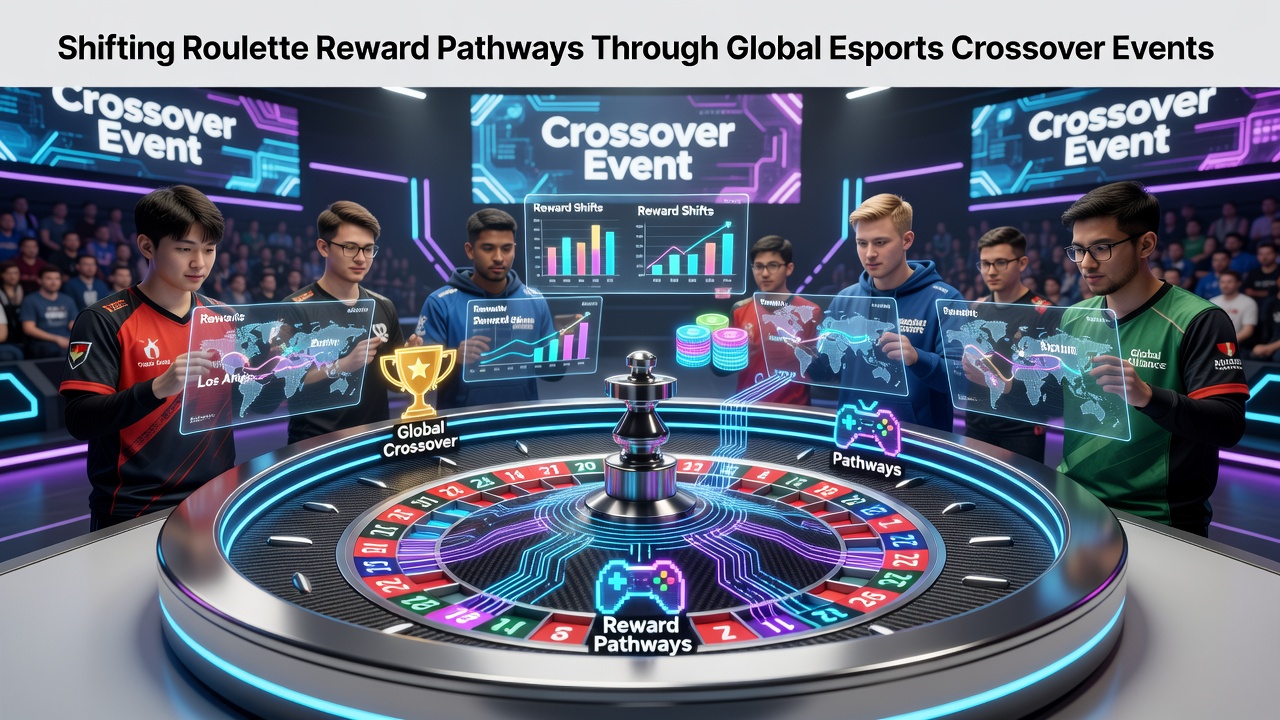
Shifting Roulette Reward Pathways Through Global Esports Crossover Events
Global esports crossover events have begun reshaping how roulette reward pathways operate across digital platforms, and operators now integrate viewership data from major tournaments directly into bonus allocation systems. Research from the University of Nevada's gaming analytics lab shows that participation spikes during events like the League of Legends World Championship correlate with adjusted loyalty point multipliers for roulette players who engage with partnered streams. These integrations create new eligibility routes where cumulative watch time unlocks free spin tiers or tournament entries that traditional deposit-based models previously controlled.
Mechanics Behind the Integration
Platform developers link esports account metrics to roulette loyalty engines through API connections that track real-time engagement, and this setup allows reward pathways to shift dynamically based on tournament progression rather than fixed calendar cycles. Data indicates that when a crossover promotion activates during events such as the International Dota 2 Championship, players who reach certain viewership milestones receive accelerated access to progressive jackpot pools tied to live dealer roulette tables. Observers note that these systems replace static no-deposit offers with performance-linked incentives that adjust automatically as match brackets advance, creating fluid pathways that respond to global audience behavior patterns.
Regional Adaptations in August 2026
In August 2026 several major esports leagues schedule overlapping tournaments that coincide with peak summer viewing periods in multiple time zones, and regulatory frameworks in different jurisdictions influence how operators adapt their roulette reward structures. Canadian authorities through the Alcohol and Gaming Commission of Ontario require clear disclosure of how esports-derived data feeds into bonus eligibility, while Australian state regulators emphasize consumer protection measures that cap reward accumulation rates during high-volume crossover periods. Those who've examined platform logs report that European operators often segment reward pathways by region to comply with varying advertising standards, resulting in differentiated spin multipliers for players accessing streams from specific geographic zones.
One documented case involved a North American platform that partnered with the Call of Duty League for a summer series, where roulette players earned entry tokens by completing in-game challenges synced to match outcomes. Figures from industry tracking services reveal that this approach increased average session durations by linking esports achievements to roulette leaderboard positions, and the model spread to additional operators within months. What's interesting is how these crossovers introduce temporal elements, since reward windows open and close according to tournament schedules instead of weekly reset cycles common in standard promotions.

Data Patterns and Player Migration
Analytics firms have documented migration trends where roulette enthusiasts move between platforms based on which operators hold active esports crossover deals, and behavioral tracking shows elevated activity in regions hosting live events. A report from the European Gaming and Betting Association highlights that reward pathway modifications during crossover periods often include temporary boosts to cashback percentages on roulette losses when tied to specific team victories. These adjustments appear most pronounced in markets with established esports infrastructure, where operators leverage existing fan bases to test new incentive models before wider rollout.
Platform algorithms now factor esports engagement scores into roulette promotion distribution, which means players with high tournament interaction receive prioritized access to limited-time jackpot entries. Studies from academic research groups indicate that this personalization reduces reliance on generic welcome bonuses and instead builds pathways that evolve with ongoing global competitions. The reality is that operators must balance these dynamic systems against responsible gaming requirements, particularly when reward notifications coincide with extended viewing sessions.
Future Trajectory of Reward Structures
Developers continue refining the technical bridges between esports platforms and roulette systems, and upcoming events in late 2026 are expected to test multi-game crossover formats that combine several titles under single reward umbrellas. Evidence suggests that successful implementations maintain separate tracking layers for esports metrics and gambling activity to satisfy regulatory audits across borders. Those monitoring the sector observe that platforms incorporating these crossovers report sustained increases in player retention metrics compared to operators using conventional bonus calendars alone.
Conclusion
Global esports crossover events continue to alter roulette reward pathways through direct data integration and schedule-based incentives that respond to tournament progress. Regulatory bodies in multiple regions enforce transparency requirements that shape how these systems operate, while platform operators refine their approaches based on observed player behavior during peak events. The ongoing development points toward more interconnected models where esports engagement and roulette rewards function as linked components rather than isolated features.