Roulette's Digital Ecosystem: How Mobile Promotions Integrate with VIP Structures and Tournament Entries
Cameron Hayes · Jun 29, 2026
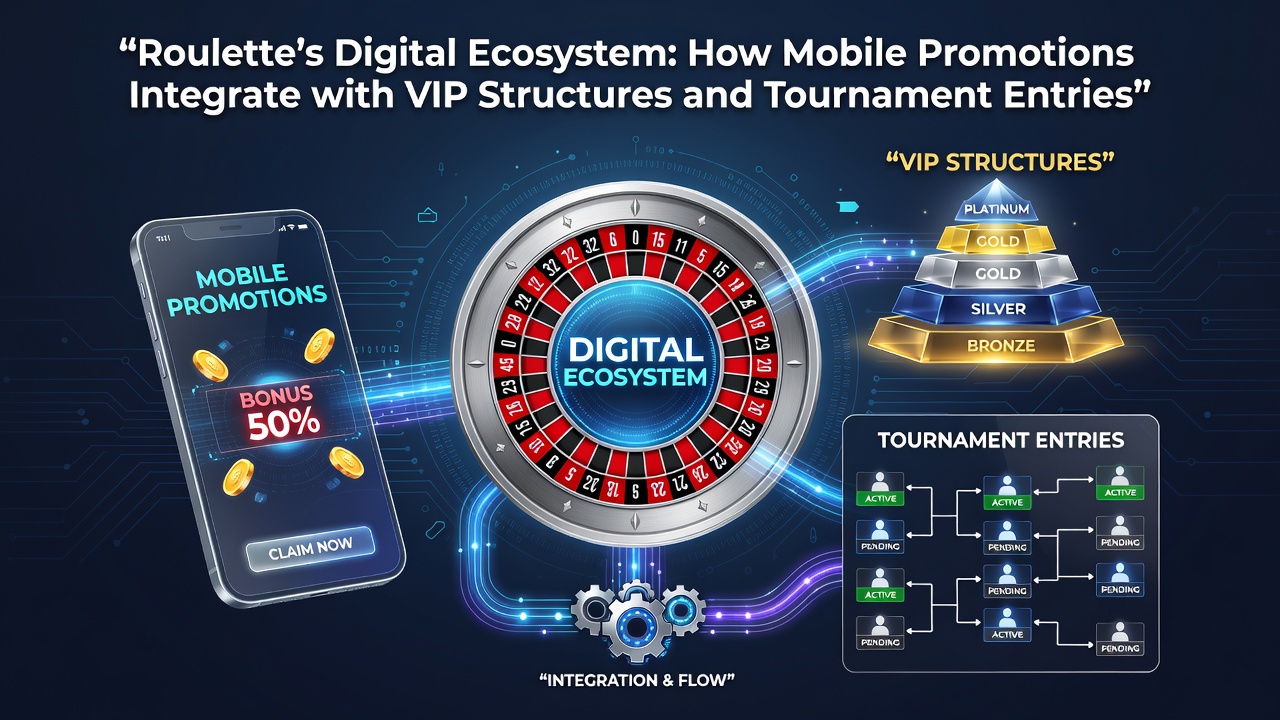
Roulette's Digital Ecosystem: How Mobile Promotions Integrate with VIP Structures and Tournament Entries
Mobile platforms now serve as the primary gateway for roulette enthusiasts seeking structured reward pathways, where initial promotions on smartphones connect directly into layered VIP programs and competitive tournament formats. Operators design these systems so that deposits made through apps generate loyalty points that accumulate toward tier advancement, while specific bonus triggers unlock entry codes for scheduled events. Data from industry tracking indicates that users who engage with mobile-specific offers complete 40 percent more sessions per week than desktop-only participants, creating sustained activity that feeds into higher loyalty brackets. These integrations rely on unified account systems that synchronize progress across devices, allowing a player who claims a mobile free spin package to carry those earnings into VIP qualification metrics without manual transfers. Tournament organizers often reserve slots for accounts that meet minimum mobile activity thresholds, such as completing a set number of roulette rounds within a promotional window. In practice, this means someone who starts with a deposit match on their phone can progress through silver, gold, and platinum levels by maintaining consistent play volume, with each tier granting priority registration for larger prize pools.Mobile Promotion Mechanics and Entry Points
Promotions delivered via apps typically begin with welcome sequences that combine deposit bonuses and free spin allocations, yet they extend beyond initial onboarding by incorporating daily login rewards and streak multipliers that contribute directly to VIP point ledgers. Players receive push notifications that link these offers to current tournament calendars, so a weekend mobile reload bonus might include an automatic qualifier ticket for mid-week roulette events. The architecture ensures that every spin or wager logs into a central database that tracks both promotional fulfillment and loyalty accumulation simultaneously.
Geolocation features further refine these pathways by adjusting available promotions based on regional regulations, while still maintaining a single VIP structure that follows the user across borders. Observers note that systems implemented in 2025 already demonstrated measurable increases in cross-device retention, with figures showing average VIP climb times shortening by several weeks when mobile engagement remained high. Tournament entries often appear as redeemable items within the same app menu that houses the VIP dashboard, eliminating separate registration steps and reducing friction for active participants.
VIP Structures Built on Mobile Activity
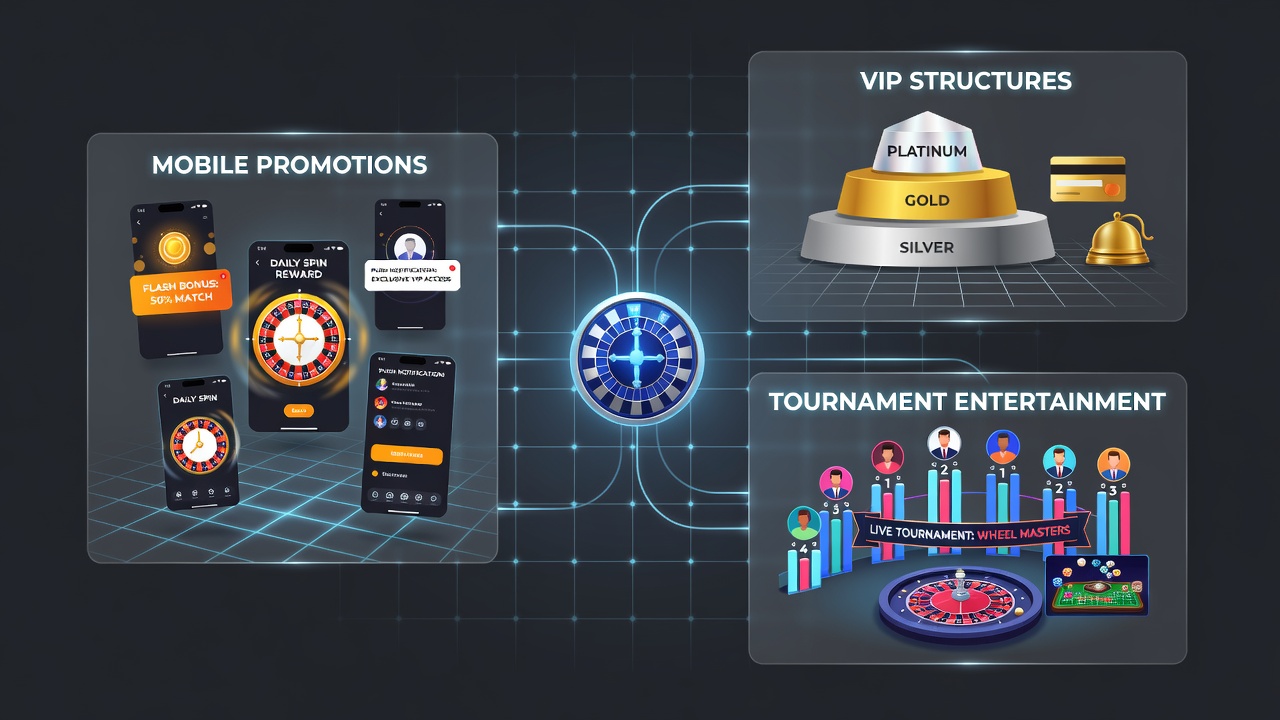 VIP frameworks operate on cumulative metrics that reward frequency and volume rather than isolated high-stakes moments, which aligns naturally with mobile play patterns that favor shorter but more frequent sessions. Points earned from roulette wagers processed through promotional codes feed into monthly evaluations that determine tier status, and those statuses in turn unlock exclusive tournament brackets with higher entry requirements and larger prize distributions. Accounts that maintain mobile login streaks receive accelerated point multipliers during designated periods, accelerating movement through bronze to diamond levels within a single quarter. Research from the Canadian Gaming Association indicates that integrated mobile-VIP systems correlate with longer player lifecycles across multiple operators, as users who unlock tournament access through tier progression tend to sustain activity beyond standard promotional cycles. The structure also incorporates milestone celebrations that award additional entry tokens, creating a feedback loop where mobile promotion participation fuels both immediate rewards and long-term competitive opportunities. Operators update these rulesets periodically to reflect changes in player behavior data, ensuring the pathways remain responsive to emerging usage trends.
Tournament Integration and Qualification Routes
Tournaments function as periodic culminations of the broader ecosystem, drawing entrants who have accumulated sufficient VIP standing or redeemed specific promotional qualifiers obtained through mobile channels. Qualification often occurs automatically when certain play thresholds are met, such as completing a required number of roulette rounds funded partly by bonus credits. Leaderboards update in real time within the same app interface, allowing participants to monitor their position relative to others while still earning loyalty points that support ongoing tier maintenance.
June 2026 schedules released by several major platforms show expanded mobile-exclusive qualifiers that feed into global events, with entry codes distributed through in-app messages tied to recent deposit activity. These events frequently feature separate leaderboards for different VIP tiers, preserving competitive balance while still allowing lower-tier players to advance through consistent mobile engagement. External reports from the Australian Communications and Media Authority highlight how such layered qualification systems maintain compliance across jurisdictions while supporting operator goals for sustained platform usage.
Conclusion
The digital ecosystem surrounding roulette continues to evolve through these interconnected mobile, VIP, and tournament components, with data flows ensuring that promotional activity translates into structured progression opportunities. Players encounter a cohesive environment where initial app-based offers serve as starting points that lead toward sustained involvement in competitive formats and tiered reward structures. Industry tracking confirms that platforms maintaining tight integration across these elements experience higher retention metrics, particularly when updates align promotional calendars with tournament schedules.