Regulatory Shifts and Their Overlooked Impact on Roulette Bonus Accessibility Chains
Gisela Hayes · May 29, 2026
Regulatory Shifts and Their Overlooked Impact on Roulette Bonus Accessibility Chains
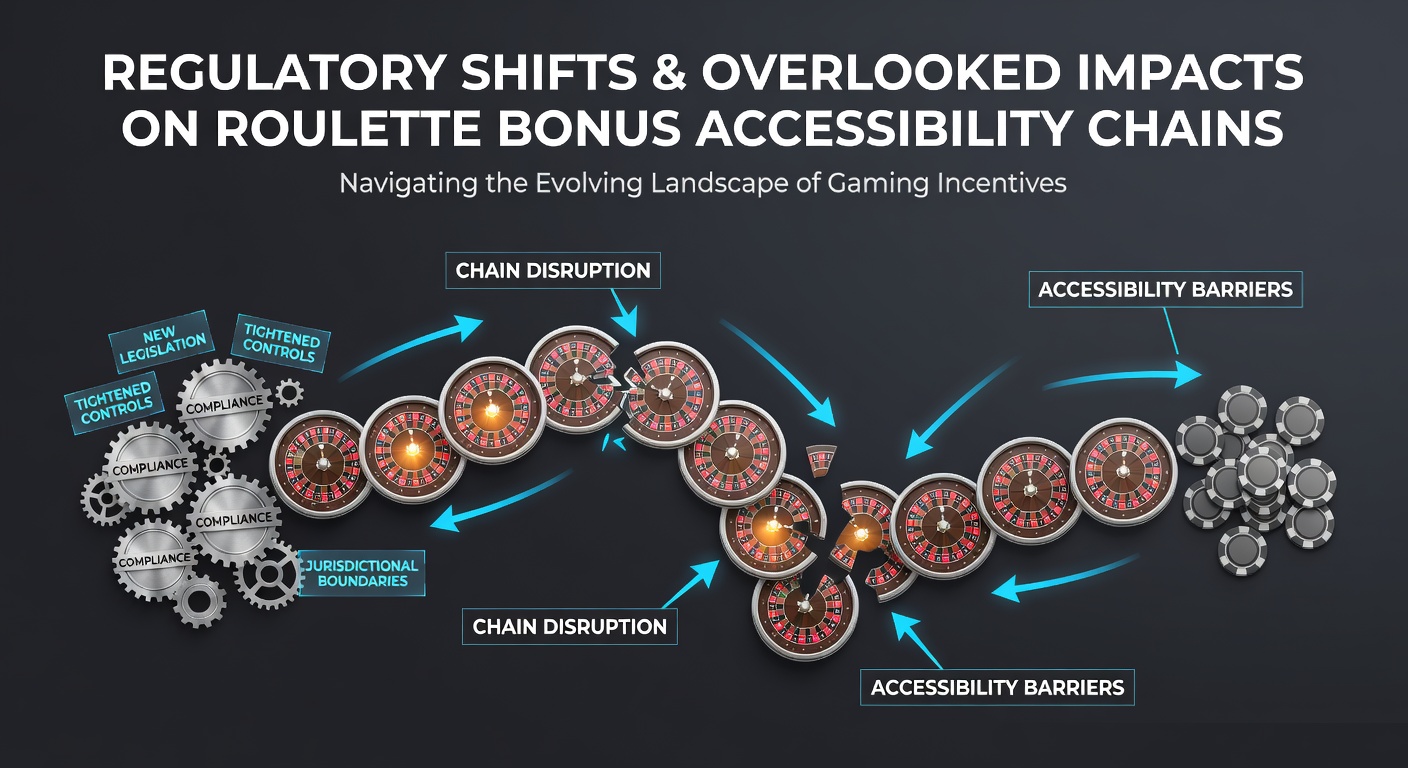
Regulatory frameworks governing online gambling have undergone several adjustments in recent years, and these modifications have produced ripple effects across roulette bonus accessibility chains that extend beyond initial compliance requirements. Jurisdictions in Europe, North America, and Australia have introduced new licensing conditions, bonus valuation rules, and player verification protocols since 2024, with additional measures scheduled for implementation in May 2026 under updated European Union digital services guidelines. These changes influence how operators structure welcome offers, no-deposit incentives, and progression pathways that connect daily promotions to loyalty programs and tournament entries.
Changes in Licensing and Bonus Valuation Standards
Authorities in multiple regions have revised how bonuses count toward operator revenue calculations and player protection thresholds. The Malta Gaming Authority updated its remote gaming directives in early 2025 to require clearer separation between bonus funds and deposit balances, which has forced operators to redesign the sequencing of roulette promotions that previously allowed seamless transitions from free spin credits to cashable rewards. Similar adjustments appeared in Canadian provincial frameworks where gaming commissions now mandate detailed reporting on bonus conversion rates, and these requirements have altered the speed at which players move through accessibility chains that link introductory offers to VIP-level tournament access.
Data from industry monitoring services shows that operators reduced the average number of linked bonus stages per promotion by 18 percent between Q3 2024 and Q1 2025 in markets with tightened valuation rules. This compression affects roulette players who rely on multi-step pathways to accumulate loyalty points that unlock higher-stakes events. Observers note that smaller platforms without dedicated compliance teams often experience longer implementation delays, resulting in temporary gaps in available bonus sequences.
Verification Protocols and Their Effect on Chain Continuity
Enhanced know-your-customer procedures introduced across Australian states and several U.S. jurisdictions have added mandatory identity checks at specific points within bonus redemption flows. These checkpoints interrupt previously continuous accessibility chains that allowed players to progress from no-deposit roulette credits directly into daily deal activations without additional documentation. Research conducted by the National Council on Problem Gambling indicates that verification-related drop-off rates increased by 12 percent in regulated markets during the first half of 2025, particularly among users attempting to chain multiple low-value offers before reaching tournament qualification thresholds.
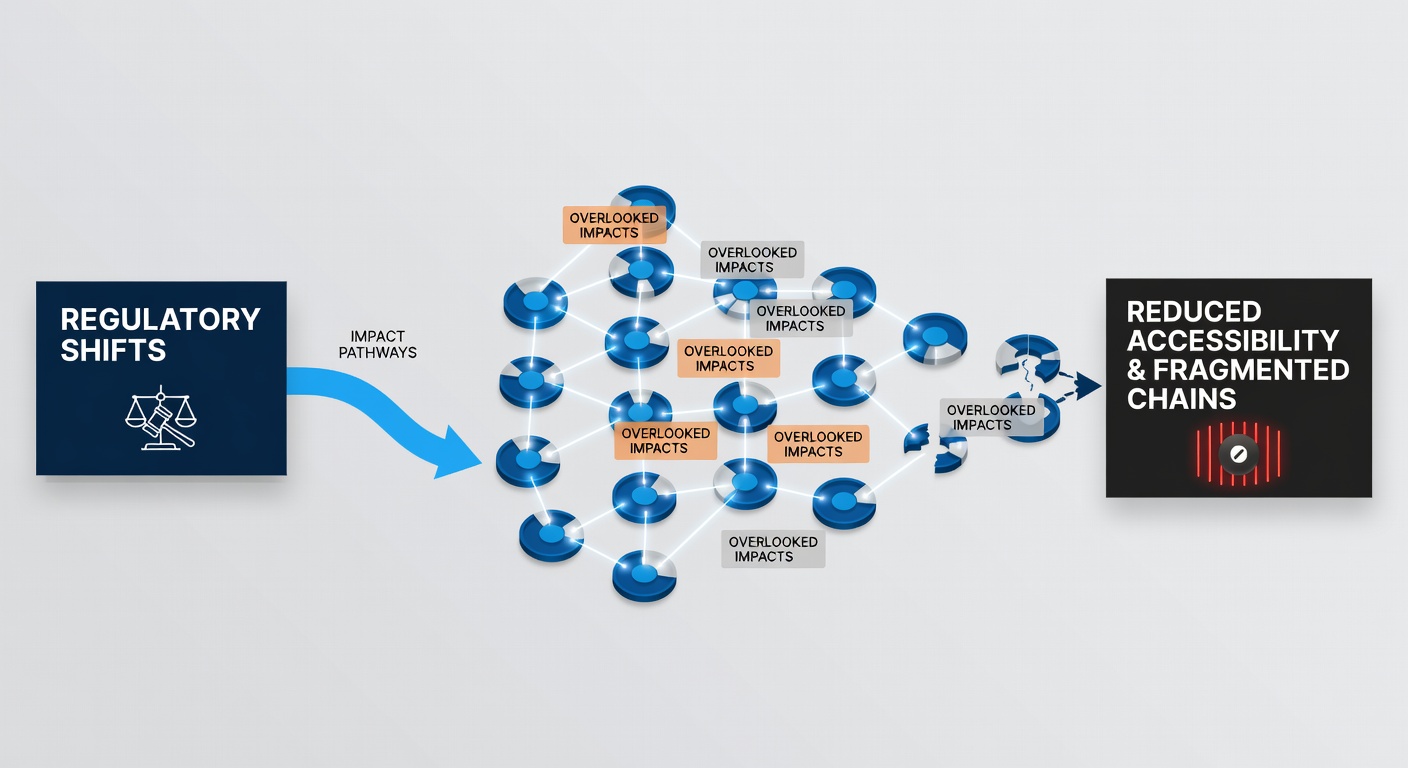
Operators responded by inserting pre-verification bonus tiers that grant limited access to roulette formats while full documentation is processed. This adaptation maintains some continuity in accessibility chains but caps the maximum value players can accumulate before completing identity confirmation. Figures released by the European Gaming and Betting Association reveal that platforms adopting tiered verification retained 27 percent more active roulette bonus users compared with those enforcing single-point checks.
Regional Variations Emerging in May 2026
Preparations for the May 2026 enforcement of revised EU digital services rules have prompted operators to reassess cross-border bonus structures. The new guidelines introduce standardized risk assessments for promotional mechanics, including roulette-specific bonus multipliers and wagering requirements. Jurisdictions such as those overseen by the Gibraltar Regulatory Authority have already circulated draft compliance templates that require operators to map entire accessibility chains from initial deposit bonuses through loyalty pathways to tournament entry. These mappings must demonstrate that each stage adheres to uniform consumer protection metrics, which has led several international platforms to standardize their roulette promotion sequences across multiple licensed markets.
Meanwhile, provincial regulators in Canada continue to refine their approaches independently, creating a patchwork where bonus chains that function smoothly in one province may encounter restrictions when players attempt to transfer progress to another. Industry reports from 2025 documented a 9 percent rise in player support queries related to interrupted bonus progressions tied to these inter-jurisdictional differences.
Impact on Smaller Operators and Niche Roulette Formats
Regulatory compliance costs have disproportionately affected operators specializing in live dealer roulette or niche variants that rely on complex bonus layering to attract consistent traffic. Data compiled by academic researchers at the University of Nevada, Reno shows that platforms with fewer than 50,000 monthly active users reduced their roulette bonus offerings by an average of 31 percent following the introduction of enhanced reporting obligations in 2025. These reductions remove intermediate steps in accessibility chains that once allowed casual players to build toward high-value tournament invitations through accumulated daily spins and loyalty milestones.
Yet larger operators with established compliance infrastructure have maintained broader chains by absorbing the additional administrative overhead. This divergence has contributed to market consolidation patterns observed in several regulated territories, where a smaller number of platforms now control the majority of active roulette bonus progressions.
Conclusion
Regulatory shifts continue to reshape the structure and continuity of roulette bonus accessibility chains across global markets. Adjustments in licensing standards, verification timing, and cross-border compliance requirements have produced measurable changes in how players progress from entry-level offers to advanced rewards. The measures scheduled for May 2026 will likely extend these effects further, particularly for operators managing multi-jurisdictional promotions. Tracking these developments through official regulatory publications and industry association reports provides the clearest picture of ongoing adaptations in bonus pathway design.