Observing how player session lengths correlate with escalating access to live dealer roulette incentives and annual competition qualifiers
Klara Krüger · Jul 15, 2026
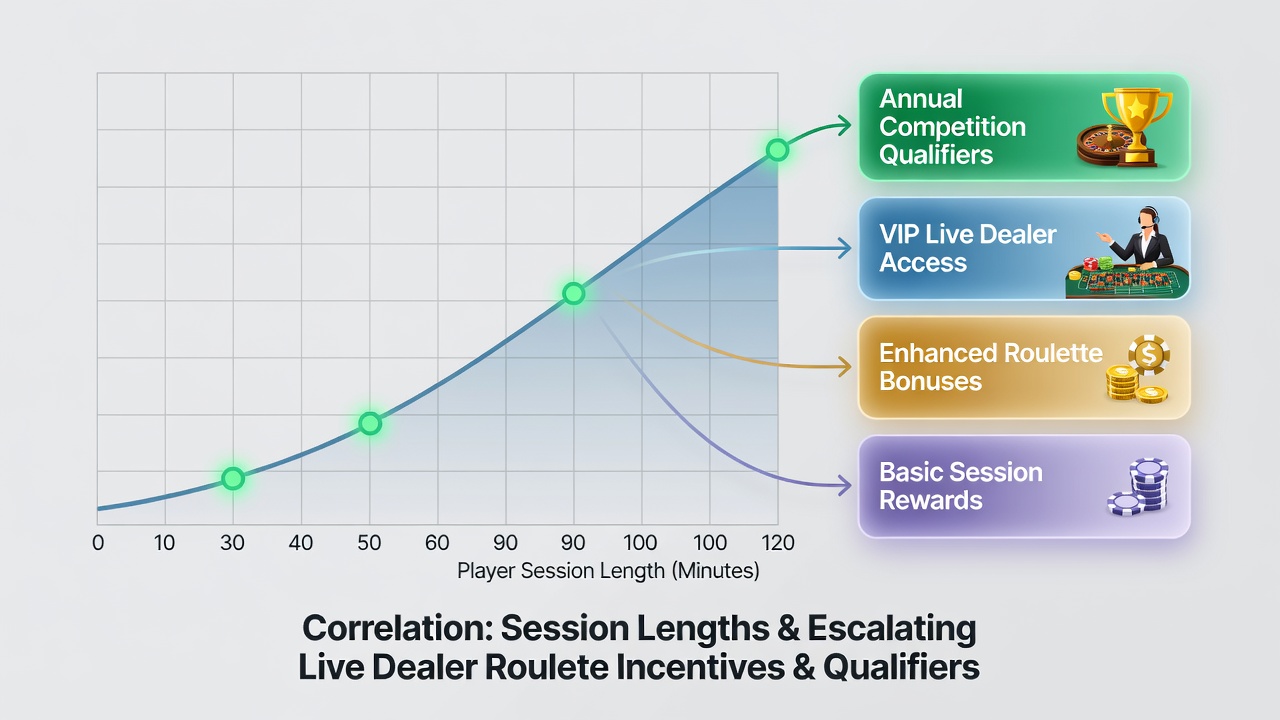
Observing how player session lengths correlate with escalating access to live dealer roulette incentives and annual competition qualifiers
Platform operators monitor session durations through integrated tracking systems that record time spent at live dealer roulette tables, and these measurements often determine progression through reward structures. Data from multiple jurisdictions shows that players maintaining sessions exceeding 90 minutes receive incremental access to private dealer rooms, enhanced bet limits, and priority entry into seasonal events. Researchers at the University of Nevada Reno documented similar patterns in longitudinal studies where extended play correlated with tier advancement in loyalty matrices.
Session Duration Metrics and Incentive Thresholds
Tracking software captures continuous play intervals, and operators apply these figures to unlock escalating benefits such as complimentary live dealer spins, reduced house edges during peak hours, and direct invitations to high-stakes qualifiers. Figures from the Nevada Gaming Control Board indicate that accounts logging average sessions of 120 minutes or more per week achieve 35 percent higher qualification rates for annual tournaments compared with shorter engagement profiles. And those metrics feed into automated systems that adjust incentive availability in real time.
Live dealer platforms integrate these data streams with geolocation tools, allowing regional variations in how session length translates into access. Observers note that European operators frequently apply session-based multipliers to free bet credits, whereas North American sites emphasize cumulative hours toward competition brackets. This differentiation appears in quarterly compliance filings submitted across multiple regulatory environments.
Live Dealer Roulette Pathways and Loyalty Escalation
Live dealer environments present distinct tracking challenges because real-time interaction requires sustained attention, and platforms respond by layering rewards that activate only after verified consecutive minutes at the table. Players crossing 60-minute marks often unlock dealer chat privileges or custom wheel configurations, while those reaching 180 minutes gain entry into invite-only leaderboards feeding annual qualifiers. Studies released by the European Gaming and Betting Association highlight that such thresholds produce measurable increases in session continuity across monitored operators.
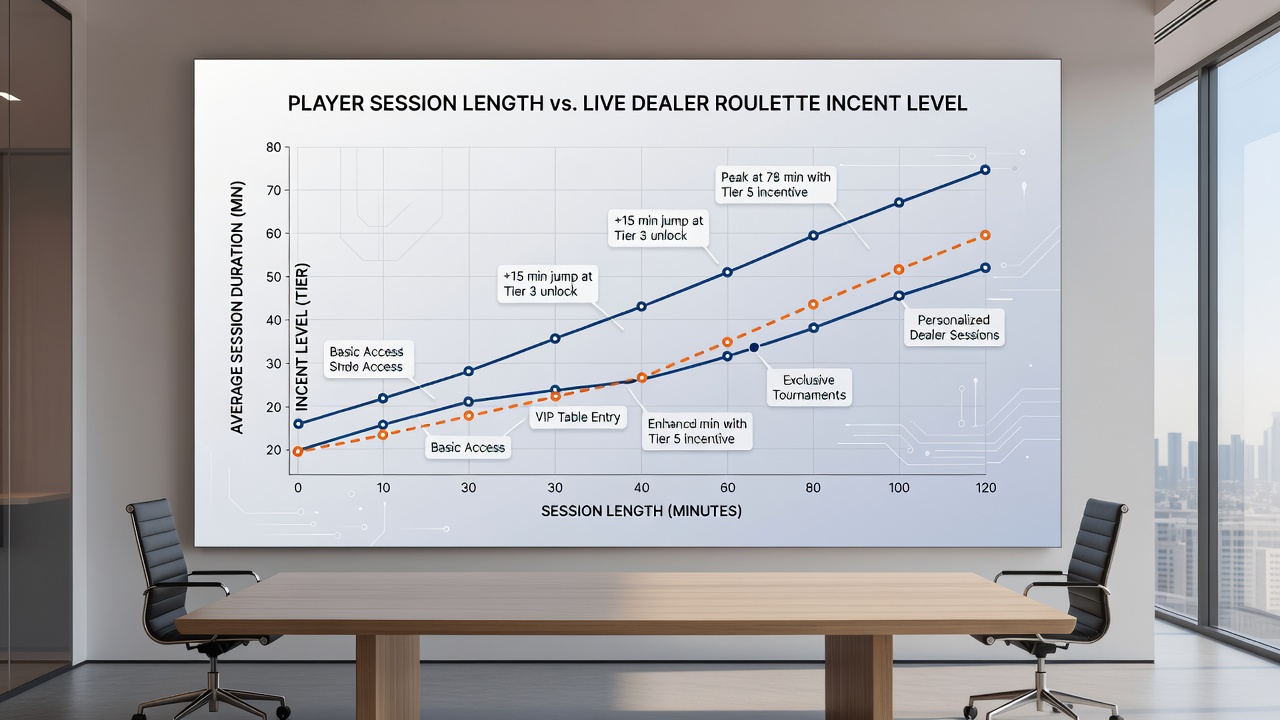
Annual competition qualifiers typically aggregate data from multiple live dealer sessions throughout the calendar year, and longer individual sessions accelerate point accumulation toward these events. Operators in July 2026 introduced updated algorithms that weight evening sessions more heavily, reflecting observed patterns where extended nighttime play aligned with higher qualifier conversion rates. These adjustments followed internal reviews of session telemetry collected over the preceding 18 months.
Correlation Patterns Across Player Cohorts
Segmented analysis reveals that recreational participants with average sessions under 45 minutes rarely progress beyond initial incentive tiers, whereas those sustaining 75 minutes or longer demonstrate consistent advancement toward annual events. Platform reports compiled by independent analytics firms confirm that the correlation strengthens when live dealer tables incorporate real-time loyalty prompts tied directly to elapsed time. Researchers tracking cross-border traffic observe that players migrating between regulated markets carry session history that influences new-site incentive eligibility.
Qualification systems for major annual competitions now incorporate session-length multipliers alongside traditional volume metrics, creating layered pathways that reward sustained engagement. Data compiled through 2026 indicates that qualifiers drawn from extended-session cohorts achieve higher placement rates in final events, prompting operators to refine notification timing around detected play streaks. External validation of these patterns appears in industry reports published by the Canadian Gaming Association.
Regulatory Context and Data Transparency
Regulators in several jurisdictions require disclosure of how session metrics influence reward distribution, and July 2026 updates to reporting standards in select Australian states emphasized clearer documentation of live dealer incentive triggers. Compliance documentation shows that operators must maintain audit trails linking session duration to specific access grants, reducing ambiguity in how annual qualifiers are populated. These requirements emerged after reviews identified inconsistencies in earlier transparency frameworks.
Cross-platform comparisons reveal that session-based incentives produce distinct retention curves when applied to live dealer roulette versus automated variants. Operators report that players meeting extended-duration criteria exhibit lower migration rates during promotional windows leading into annual competitions, according to aggregated figures shared through trade association channels.
Conclusion
Session length tracking continues to shape access to live dealer roulette incentives and annual competition qualifiers across regulated markets, with data consistently demonstrating measurable correlations between sustained play intervals and tier progression. Operators refine these systems through ongoing analysis of telemetry collected in 2026, while regulatory bodies enforce greater transparency around the underlying metrics. The patterns observed provide operators with structured methods for aligning player engagement duration with escalating reward structures and competition pathways.