Navigating Device-Specific Incentive Structures Across Virtual Wheel Game Platforms
Klara Krüger · Aug 24, 2026

Navigating Device-Specific Incentive Structures Across Virtual Wheel Game Platforms
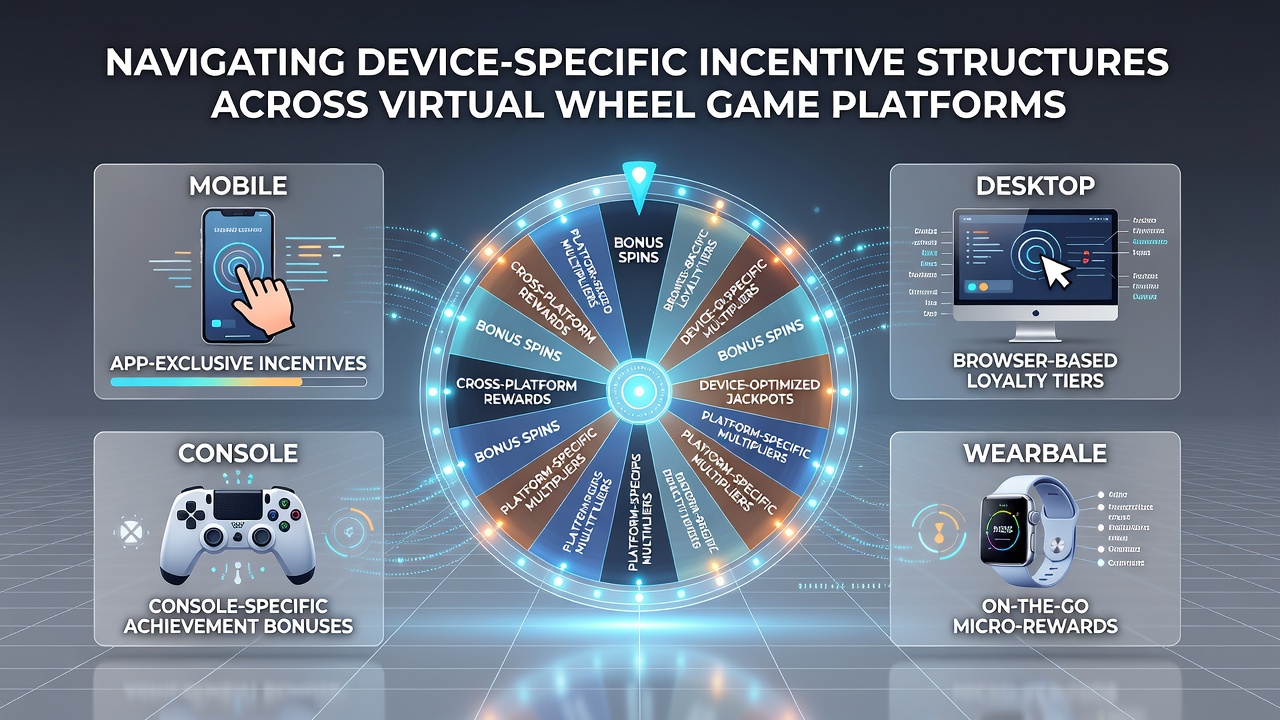
Virtual wheel game platforms organize incentive structures around device categories, and these systems deliver rewards through distinct pathways depending on whether users access content via mobile applications, desktop browsers, or tablet interfaces. Data from industry reports shows that mobile-first designs often incorporate push notification triggers for time-limited spin multipliers while desktop versions route users toward loyalty point accumulations based on session duration and bet volume.
Device Categories and Their Incentive Mechanics
Platform operators segment incentives by operating system and hardware capabilities, so Android devices frequently receive app-exclusive deposit match offers that activate upon installation verification, whereas iOS environments tie rewards to subscription models integrated with device payment systems. Researchers at academic institutions tracking digital gaming patterns have noted that tablet users encounter hybrid structures combining elements from both mobile and desktop frameworks, including cross-device progress tracking that carries loyalty tiers across sessions initiated on different hardware.
Geolocation features embedded in device operating systems further refine these structures, and August 2026 updates to several major platforms introduced enhanced location-based verification that unlocks region-specific wheel variants paired with device-tailored bonus credits. Observers note that these adjustments align incentive distribution with regulatory requirements across jurisdictions without altering core game mechanics.
Platform Adaptations and User Pathways
Virtual wheel platforms adjust reward eligibility based on screen size and input methods, so touch-screen interfaces emphasize quick-spin bonuses that accumulate through consecutive plays while mouse-and-keyboard setups favor accumulated jackpot contributions from extended betting sequences. One study from a North American research center revealed that users switching between devices mid-session often encounter reset timers on certain progressive incentives, which encourages dedicated device usage for specific reward tracks.
External factors such as network connectivity and battery status also influence availability, and platforms have integrated device health checks that gate certain high-value incentives behind minimum performance thresholds. This approach appears in documentation from gaming associations monitoring operational standards in multiple regions, including frameworks established by bodies like the Nevada Gaming Control Board and iGaming Ontario.
Cross-Device Loyalty Integration
Many platforms now maintain unified player accounts that recognize device history, yet they apply differentiated multipliers depending on the hardware used for each login. Evidence from industry analyses indicates that players logging in primarily through mobile applications receive accelerated progress toward tournament entries compared with desktop-dominant users, while those alternating devices encounter averaged reward rates calculated across all access points.
August 2026 saw several platforms roll out API updates that improved synchronization between device-specific ledgers, allowing seamless transfer of certain free spin allocations but maintaining hardware-locked eligibility for others. Regulatory filings from Australian oversight entities highlight similar patterns in cross-border operations where device verification supports compliance with local access rules.
Technical Implementation Across Ecosystems
Developers embed device fingerprinting into incentive delivery systems to prevent duplication of offers across hardware profiles, and this practice aligns with data from research papers examining user behavior in digital gaming environments. Mobile platforms often prioritize in-app purchase integrations that bundle wheel credits with device subscriptions, whereas desktop environments focus on browser-extension rewards that track extended play without native app involvement.
Those examining platform architectures find that virtual wheel variants themselves sometimes adapt visuals and payout displays based on detected device capabilities, which indirectly affects how players qualify for associated incentives. Figures from gaming trade organizations show rising adoption of such adaptive features in the first half of 2026, particularly among operators serving North American and European markets.
Conclusion
Device-specific incentive structures in virtual wheel game platforms continue to evolve through layered verification methods and adaptive reward pathways. Platform data demonstrates consistent differentiation by hardware category, operating system, and connectivity profile, with updates observed through mid-2026 reinforcing these distinctions while maintaining account-level continuity. External regulatory frameworks and technical standards guide implementation across regions, ensuring that incentive distribution remains tied to verifiable device characteristics rather than unified across all access points.