How Virtual Reality Interfaces Are Reshaping Roulette Tournament Qualification Pathways and Associated Loyalty Incentives
Klara Krüger · Aug 5, 2026

How Virtual Reality Interfaces Are Reshaping Roulette Tournament Qualification Pathways and Associated Loyalty Incentives
Virtual reality interfaces have begun altering how players access roulette tournaments by integrating immersive environments directly into qualification systems and by linking those environments to loyalty program structures across multiple platforms. Data from industry tracking services show that VR modules now handle entry criteria through simulated table sessions where participants must meet performance thresholds before advancing to live events. These thresholds often combine accuracy metrics with session duration requirements and feed directly into centralized loyalty databases that track cumulative engagement.
Qualification Pathways in VR Environments
Traditional qualification routes relied on deposit volumes or spin counts yet VR systems shift the focus toward interactive performance within virtual casinos where players navigate 3D roulette wheels and compete against algorithmic opponents. Reports compiled through August 2026 indicate that several major operators updated their tournament entry protocols to require completion of at least three VR qualification rounds before granting access to physical or hybrid events. Observers note that these rounds measure both strategic decisions and physical interaction patterns captured by motion sensors which then translate into qualification scores stored in player profiles.
Platforms that adopted VR qualification early recorded measurable increases in participation rates according to aggregated platform analytics. The systems allow simultaneous qualification across multiple time zones because users log into shared virtual lobbies rather than waiting for scheduled real-world sessions. Research from academic gaming studies highlights how motion-tracked hand gestures replace mouse clicks and generate additional data points that loyalty algorithms incorporate when calculating tier progression.
Loyalty Incentives Tied to VR Participation
Loyalty programs now allocate bonus points for VR-specific achievements such as completing high-stakes virtual tournaments or maintaining accuracy above set percentages during extended sessions. These points convert into entry tokens for larger events or into exclusive merchandise and travel packages associated with major roulette competitions. Figures released by North American regulatory bodies reveal that VR-linked loyalty tiers grew by double-digit percentages between 2024 and 2026 as operators expanded headset distribution partnerships.
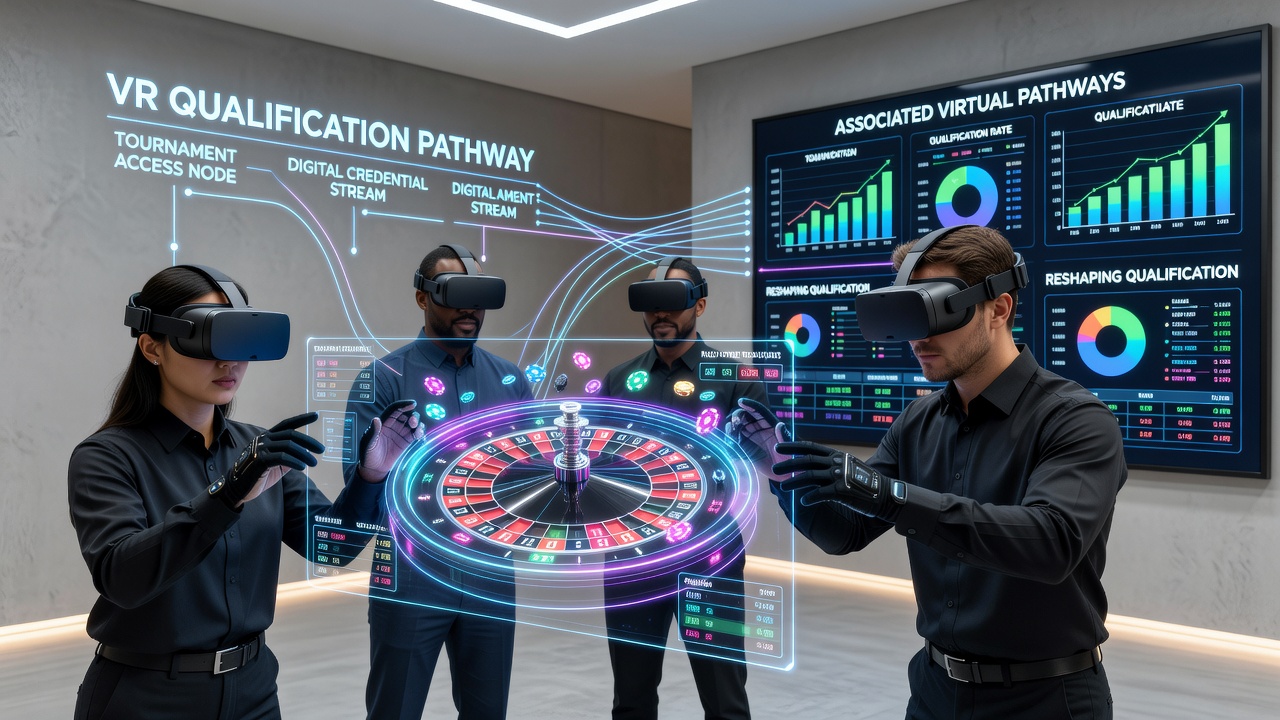
Operators integrate VR data streams with existing player tracking software so that time spent in virtual roulette environments contributes equally to tier advancement as time spent at live tables. This integration creates unified pathways where qualification for one tournament can unlock loyalty multipliers that apply across both digital and land-based venues. Canadian provincial gaming authorities documented similar patterns in their 2025 compliance reviews showing that VR participation metrics now factor into responsible gaming monitoring tools alongside traditional play data.
Regulatory and Technical Developments Through Mid-2026
European regulatory frameworks updated technical standards for VR gambling interfaces in early 2026 requiring encrypted session logging and real-time identity verification within virtual spaces. These updates ensure that qualification results remain verifiable when transferred between operators and that loyalty incentives remain compliant with cross-border player protection rules. Industry associations such as the International Gaming Technology Association published guidelines that outline minimum hardware specifications for fair VR roulette simulations.
Technical integration challenges include latency reduction and consistent rendering across different headset models yet operators report that standardized APIs have improved compatibility. Players who complete VR qualification pathways receive digital badges that appear in their loyalty dashboards and that grant priority registration for upcoming tournaments scheduled through the remainder of 2026.
Cross-Platform Data Integration
Multiple operators now share anonymized VR performance data through secure industry exchanges which allows loyalty incentives to span different brands without requiring separate qualification processes. A study conducted by researchers at the University of Nevada, Las Vegas, examined how shared data pools affect player retention and found that participants who qualified through VR routes maintained higher activity levels over six-month periods compared with those using conventional methods. The study attributes this pattern to the immersive feedback loops that VR environments provide during qualification attempts.
Geolocation tools embedded in VR headsets further refine access by confirming regional eligibility before granting tournament entry and by adjusting loyalty reward values according to local regulatory limits. This approach mirrors practices already in use for mobile platforms but adds spatial tracking that verifies users remain within approved jurisdictions throughout each session.
Conclusion
Virtual reality interfaces continue to modify roulette tournament qualification by replacing or supplementing traditional metrics with performance data gathered inside immersive simulations while simultaneously expanding loyalty incentive structures to reward VR-specific engagement. Platform updates through August 2026 demonstrate ongoing alignment between VR systems and existing regulatory requirements across multiple jurisdictions. Aggregated figures from regulatory and academic sources confirm that these interfaces now form a measurable component of player progression pathways in the online roulette sector.