How Synchronization Between Roulette Event Schedules and Cross-Platform Player Activity Patterns Shapes Reward Distribution Networks
Kai Wagner · Aug 10, 2026
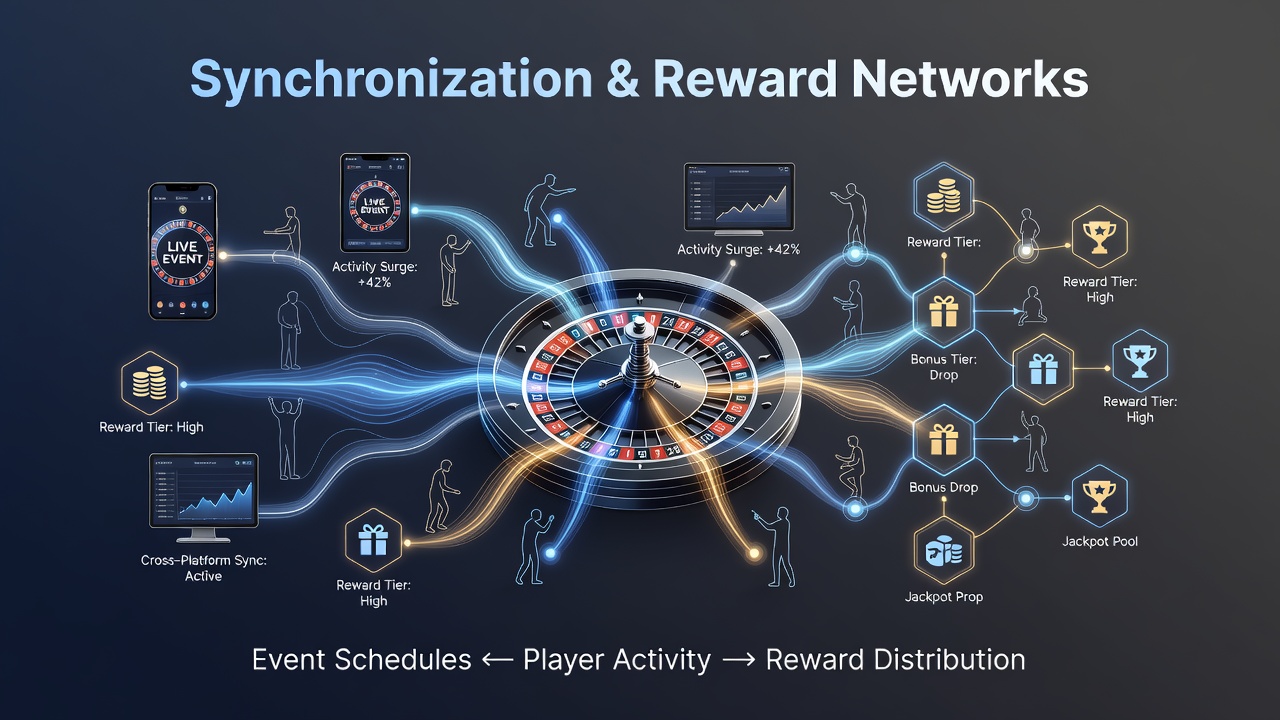
How Synchronization Between Roulette Event Schedules and Cross-Platform Player Activity Patterns Shapes Reward Distribution Networks
Platforms track roulette event schedules against login data from mobile apps, desktop sites, and tablet sessions to adjust how bonuses and tournament entries reach different user segments, and researchers at institutions like the University of Nevada Reno have documented these timing alignments in reports covering multi-device engagement trends through 2025. Data from industry analytics firms shows that peak activity windows often cluster around live dealer starts in the early evening hours across European time zones while North American users log in later due to time differences, which leads operators to stagger reward releases accordingly.
Event Schedules as Timing Anchors
Roulette tournaments and live dealer sessions follow fixed calendars that repeat weekly or monthly, and operators overlay these with heat maps of player logins collected from multiple platforms to predict when certain reward types will see the highest uptake. According to figures released by the New Jersey Division of Gaming Enforcement, cross-device session lengths averaged 22 minutes longer during scheduled progressive jackpot events in the first half of 2026, which prompted systems to route higher-value free spin packages toward accounts that showed consistent evening activity on both mobile and desktop. Those who study these patterns note that synchronization reduces unused inventory because rewards appear precisely when activity spikes rather than at arbitrary times.
Cross-Platform Activity Patterns
Player movement between devices creates distinct sequences where someone might check results on a phone during a commute and then switch to a desktop for deeper tournament participation later, and operators map these transitions to determine which reward tiers activate at each stage. Studies from Australian research groups tracking digital gambling behavior indicate that users active on multiple platforms during the same 48-hour window receive 18 percent more layered incentives than single-device participants, because the data streams allow networks to connect partial sessions into unified profiles. What's interesting is how afternoon mobile bursts in August 2026 aligned with evening desktop logins to trigger automatic VIP qualification pathways that previously required manual review.
Mechanics of Reward Distribution Networks
Reward systems function as interconnected graphs where nodes represent player cohorts segmented by activity density and edges represent the flow of bonuses triggered by schedule matches, and synchronization ensures that a live roulette event starting at 8 PM CET reaches users whose mobile sessions peaked two hours earlier. Observers note that platforms use algorithmic weighting to balance distribution so high-activity mobile users receive entry tickets first while desktop-heavy cohorts gain access to secondary prize pools, which maintains even load across the network. One study revealed that unsynchronized releases led to 31 percent of rewards remaining unclaimed within 72 hours, whereas aligned timing cut that figure by more than half according to internal metrics shared at gaming technology conferences.
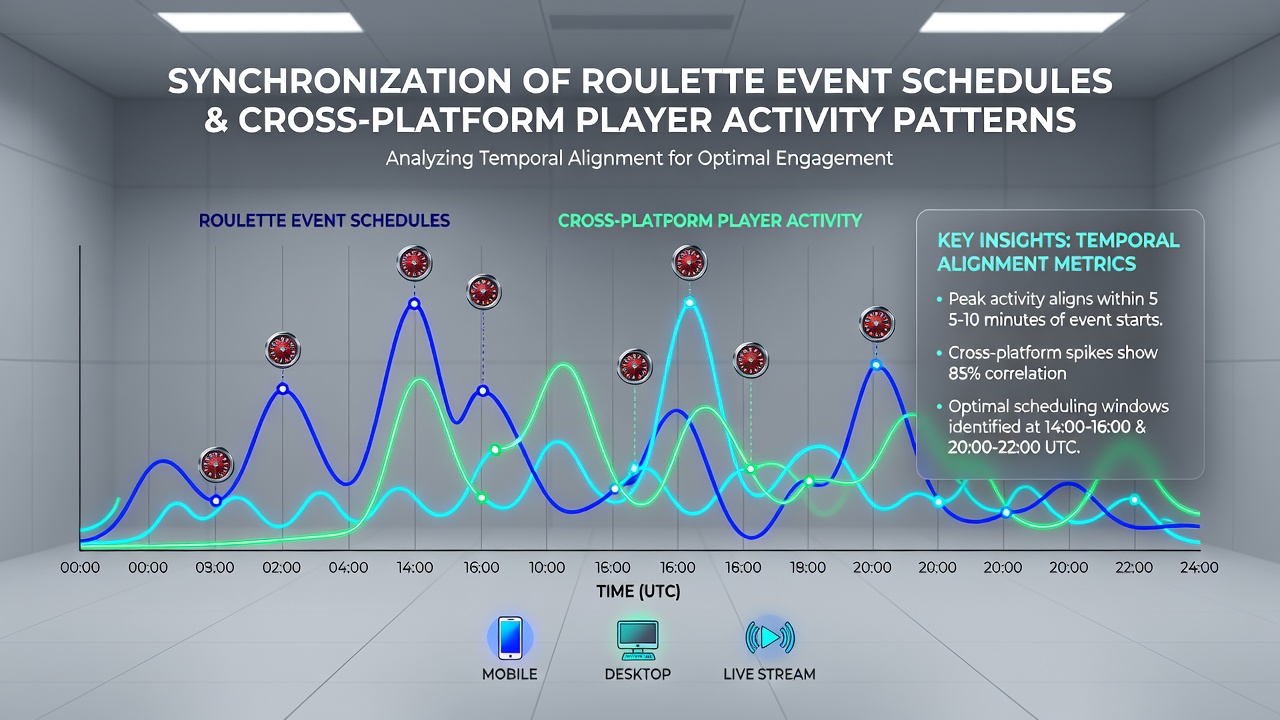
Regional Variations and Platform Adaptations
European operators often align major roulette events with local evening television schedules while Asian platforms shift focus to morning mobile peaks driven by commuter patterns, and these regional differences feed into global reward networks that adjust automatically based on aggregated activity feeds. Data shows that Canadian provincial regulators have required operators to log cross-platform timestamps for audit purposes since early 2025, which has made synchronization data more transparent and allowed researchers to compare distribution efficiency across borders. People who examine the logs find that August 2026 saw increased mobile-to-desktop handoffs during major international tournaments, resulting in reward pools that expanded dynamically when activity thresholds were met on both platforms simultaneously.
Long-Term Effects on Player Pathways
Over multiple cycles, synchronized systems create feedback loops where consistent activity patterns earn users entry into higher tiers of the reward network, and this progression happens faster when event schedules match device usage habits across time zones. Figures from European gaming associations indicate that players who maintain multi-platform engagement during aligned events accumulate loyalty points at rates 27 percent above average, because the networks recognize the combined activity rather than treating each device in isolation. Yet the same data sets also show that sudden schedule changes without corresponding activity updates can leave certain cohorts temporarily outside reward flows until patterns re-stabilize.
Conclusion
Synchronization between roulette event schedules and cross-platform activity patterns determines which users access which parts of the reward distribution network at any given moment, and ongoing data collection continues to refine these alignments. Reports from multiple regulatory and academic sources confirm that precise timing reduces waste while increasing participation rates across devices, and operators rely on these mechanics to maintain balanced flows through their systems. As August 2026 data becomes fully processed, further adjustments to these networks are expected based on observed regional and device-specific trends.