How Geolocation Refines Roulette Reward Pathways Across Bordered Digital Platforms
Kai Wagner · Jun 12, 2026
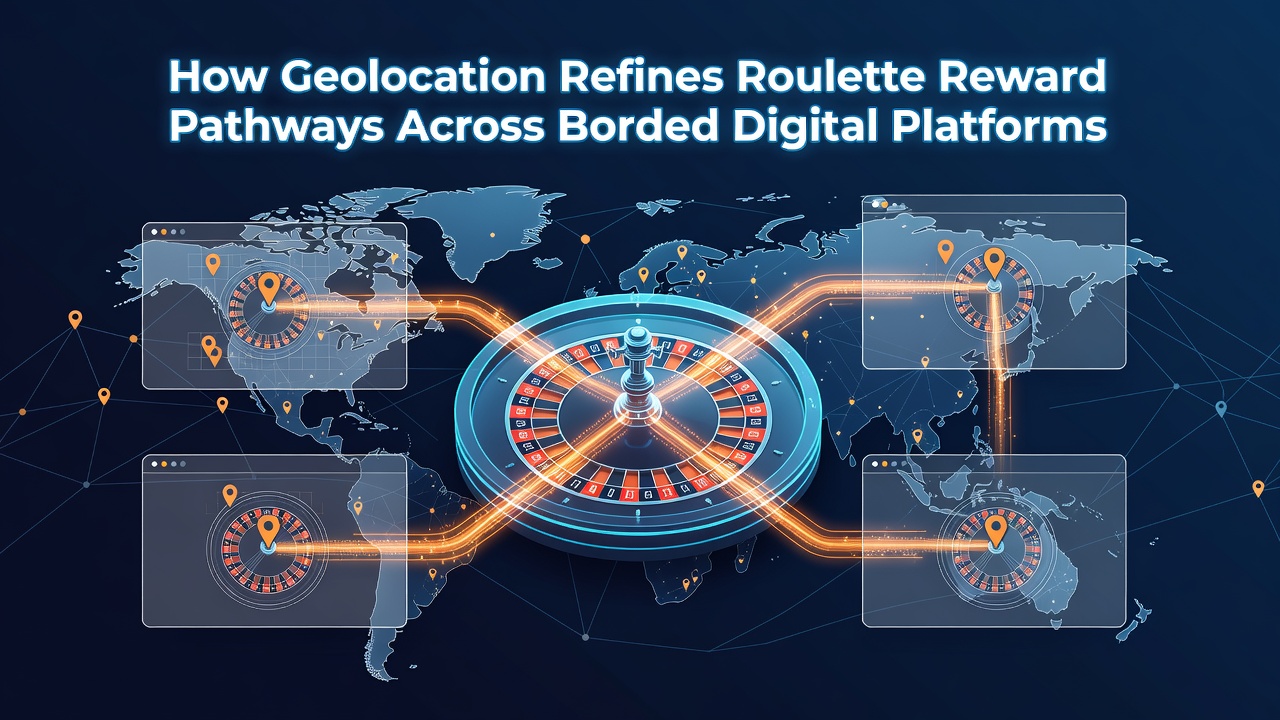
How Geolocation Refines Roulette Reward Pathways Across Bordered Digital Platforms
Digital platforms that host roulette games rely on geolocation technology to determine which reward pathways become available to users based on their physical location at the moment of access, and this process shapes everything from initial deposit matches to long-term loyalty structures.
Systems detect IP addresses, GPS signals from mobile devices, and sometimes Wi-Fi triangulation to establish a player's jurisdiction, after which algorithms adjust bonus eligibility, wagering requirements, and even the availability of certain tournament entries, while operators maintain compliance with regional rules that differ sharply from one border to the next.
Mechanics Behind Location-Based Adjustments
Geolocation tools operate continuously rather than at single checkpoints, which means reward pathways can shift mid-session if a player crosses into another regulatory zone, and platforms log these changes to recalibrate offers such as free spin allocations or cashback percentages tied to specific countries.
Research from industry reports shows that operators segment user bases into geo-fenced groups, allowing one set of players to unlock progressive jackpot paths while another group receives only static daily rewards, and the distinction arises directly from licensing conditions enforced at national or state levels.
Regulatory Frameworks Shaping Access
Authorities in multiple regions require operators to restrict or modify promotional offers according to local statutes, so geolocation serves as the enforcement layer that prevents unauthorized bonus distribution, while data collected through these systems feeds into audit trails demanded by oversight bodies.
According to findings published by the New Jersey Division of Gaming Enforcement, location verification must occur before any reward activation in licensed markets, and similar mandates appear in other jurisdictions where cross-border play occurs through shared digital infrastructure.
Effects on Player Progression and Loyalty Systems
Reward pathways evolve differently depending on detected location because some territories cap maximum bonus values or prohibit certain no-deposit mechanics, which forces platforms to route users toward alternative progressions such as loyalty point multipliers that remain available regardless of regulatory constraints.
Observers tracking platform data note that players who frequently move between zones encounter fragmented pathways, with one month's tournament access disappearing upon relocation only to be replaced by region-specific free spin bundles, and these adjustments maintain overall engagement while satisfying divergent legal requirements.
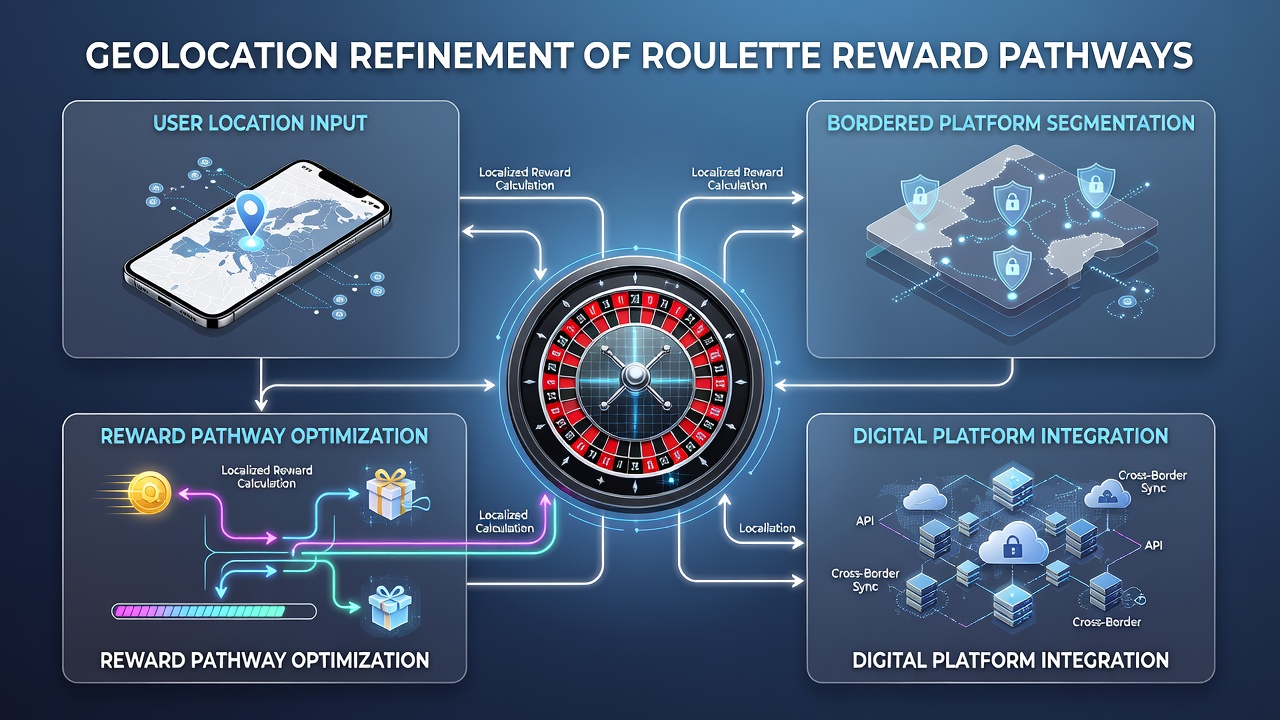
Cross-Border Data Patterns in June 2026
By June 2026, platforms had integrated more granular location layers that distinguish not only between countries but also between provinces or states within federated systems, resulting in reward pathways that branch at finer scales than earlier implementations allowed.
Figures released through academic studies on digital gambling infrastructure indicate increased precision in real-time verification reduces instances of mismatched offers, and operators now tie these refinements to user retention metrics that vary by detected region.
Technical Integration and Accuracy Considerations
Platforms combine multiple signals to improve geolocation reliability because single-method detection can produce errors near borders or in areas with shared IP ranges, and the resulting accuracy supports consistent application of reward rules across all active sessions.
Industry analyses reveal that fallback protocols activate when primary signals conflict, routing players to a default pathway until verification resolves, which prevents abrupt interruptions in ongoing roulette promotions while still honoring jurisdictional boundaries.
Conclusion
Geolocation continues to function as the primary mechanism that aligns roulette reward pathways with bordered regulatory environments on digital platforms, producing differentiated experiences that reflect both technical capabilities and legal obligations in each jurisdiction.
Continued refinement of these systems supports compliance without eliminating access, and ongoing developments ensure that location data drives precise, region-appropriate adjustments to bonus structures and loyalty routes.