Examining Behavioral Pattern Recognition in the Allocation of Roulette Related Incentives by Online Operators
Gisela Hayes · Aug 19, 2026

Examining Behavioral Pattern Recognition in the Allocation of Roulette Related Incentives by Online Operators
Online operators track extensive datasets from roulette sessions, including spin frequency, bet sizing sequences, session duration, and response times to bonus prompts, then apply pattern recognition systems to determine incentive distribution. These systems process player activity logs in real time, identifying clusters of behavior that correlate with retention metrics or revenue contributions. Data indicates that operators segment users into categories such as frequent low-stakes players, intermittent high-variance bettors, and steady mid-tier participants, with each group receiving tailored offers like free spin credits or tournament entry passes.
Data Inputs Driving Recognition Systems
Operators collect granular metrics from live and RNG roulette tables, recording details like wheel bias selections, timing between spins, and adjustments in wager amounts after wins or losses. Pattern algorithms compare these inputs against historical benchmarks, flagging sequences that match established profiles. Research from academic institutions shows that machine learning models trained on millions of sessions achieve higher accuracy in predicting which incentives will extend playtime. For instance, players demonstrating consistent bet escalation patterns often receive layered rewards that unlock additional spins after meeting volume thresholds.
Geolocation data further refines these models, allowing platforms to adjust offers based on regional access rules and player migration trends observed across borders. In August 2026, several major platforms updated their tracking protocols to incorporate cross-device session stitching, linking mobile and desktop activity into unified behavioral profiles that influence roulette promotion timing.
Algorithmic Allocation Mechanisms
Pattern recognition tools evaluate engagement velocity and churn signals before triggering incentive releases. When algorithms detect declining session lengths paired with stable bet sizes, they may route users toward VIP ladder entries or daily spin bundles tied to roulette variants. Those who've studied these systems note that allocation logic prioritizes sequences showing loyalty indicators, such as repeated participation in time-limited events, over isolated high-value bets.
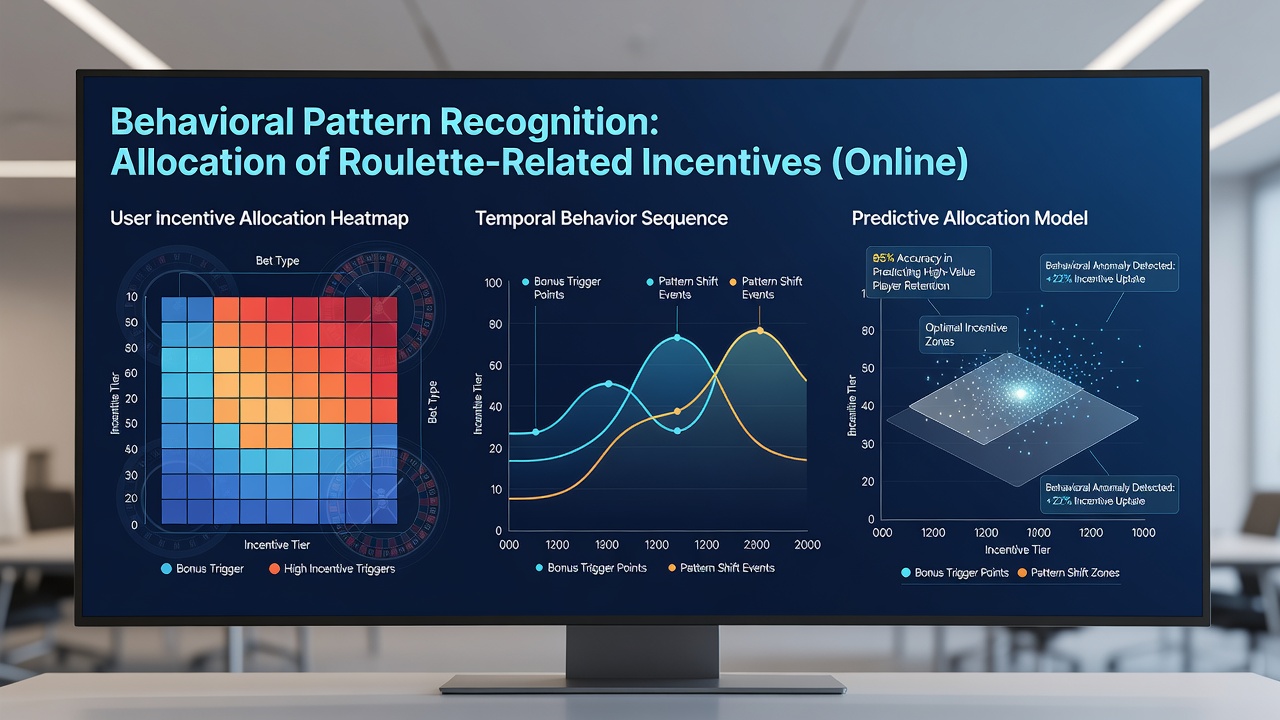
Operators integrate these insights with loyalty tracking frameworks that map progression through reward tiers. A player logging extended evening sessions on European roulette tables might receive promo code unlocks for live dealer events, while another pattern of short daytime mobile spins could trigger no-deposit entry points leading to tournament brackets. Figures from industry reports reveal that platforms using multi-variable pattern matching report measurable shifts in incentive uptake rates compared to rule-based systems alone.
Regional Regulatory Influences on Pattern Use
Regulatory frameworks in various jurisdictions shape how behavioral data informs roulette incentives. The New Jersey Division of Gaming Enforcement requires transparency around automated decision systems, compelling operators to document criteria used for reward allocation. Similar oversight appears in Australian state-level guidelines, where responsible gambling codes limit the frequency of targeted offers derived from play pattern analysis. Observers note that these rules encourage operators to balance retention goals with mandatory cooling-off prompts when algorithms flag extended play streaks.
Cross-border player movement adds another layer, as operators adapt recognition models to comply with differing data protection standards while maintaining consistent incentive pathways. Studies conducted by European research consortia highlight how pattern systems adjust for cultural variations in roulette preferences, such as preference for live versus simulated wheels, when distributing region-specific bonuses.
Observed Patterns and Incentive Outcomes
Common behavioral clusters include rapid spin sequences that operators associate with mobile-first users, prompting offers optimized for shorter attention windows. Another cluster involves deliberate bankroll management across multiple tables, which often correlates with access to high-roller tournament pathways. Data from platform audits shows that matching incentives to these clusters correlates with extended account activity, though exact uplift figures vary by operator implementation.
One documented approach involves weighting recent activity more heavily than historical averages, allowing systems to respond quickly to shifts in betting tempo. This temporal sensitivity helps route incentives toward players showing renewed engagement after periods of reduced activity, sustaining roulette participation through sequenced rewards.
Conclusion
Behavioral pattern recognition continues to shape how online operators distribute roulette incentives, relying on detailed session data and algorithmic clustering to match offers with observed player trajectories. Regulatory environments across regions impose boundaries on these practices, while technological refinements in August 2026 and beyond support more precise segmentation. External analyses from sources such as the Victorian Responsible Gambling Foundation and university-led investigations into digital gaming analytics provide ongoing context for these developments, underscoring the role of data-driven methods in contemporary incentive structures.