Charting Roulette Variant Shifts and Their Ties to Cross-Border Player Loyalty Pathways in Digital Platforms
Kai Wagner · Jun 10, 2026
Charting Roulette Variant Shifts and Their Ties to Cross-Border Player Loyalty Pathways in Digital Platforms
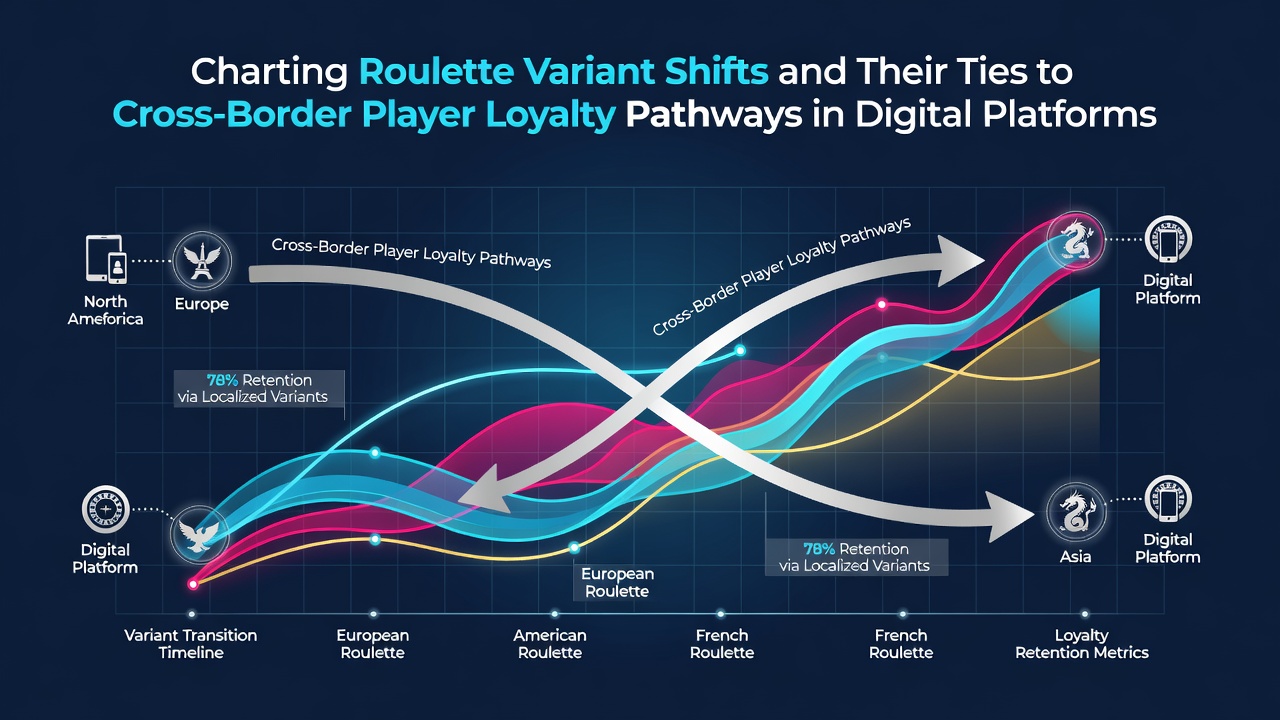
Digital platforms have tracked measurable changes in roulette variant preferences among users since 2023, with European single-zero formats gaining ground in several regions while hybrid models incorporating elements from French and American styles appeared in targeted markets. These shifts connect directly to loyalty systems that maintain player records across national boundaries through shared databases and tiered reward structures.
Variant Distribution Patterns Across Regions
Platform operators report that European roulette accounted for 62 percent of sessions in monitored markets during the first half of 2025, according to aggregated usage data compiled by multiple operators. American double-zero variants retained stronger positions in North American-facing sites, yet hybrid games that blend la partage rules with multi-ball mechanics emerged in Southeast Asian and Latin American jurisdictions. Researchers at academic institutions studying online gambling behavior note that these changes coincide with adjustments in house-edge disclosures required by local licensing bodies.
Operators adjust game libraries when regulatory updates alter permitted mechanics, and data from June 2026 indicates continued migration toward variants that support progressive jackpot integrations. Cross-border players often maintain accounts on multiple platforms, and loyalty engines record session types to adjust reward eligibility without requiring separate registration for each variant category.
Loyalty Pathway Mechanics in Multi-Jurisdiction Environments
Loyalty frameworks on major platforms use unified player identifiers that link activity across licensed domains, allowing point accumulation from European roulette sessions played under one license to contribute toward tier advancement available under another. These systems rely on API connections between operators and third-party tracking providers, which synchronize transaction histories while respecting data-protection statutes in each operating region.
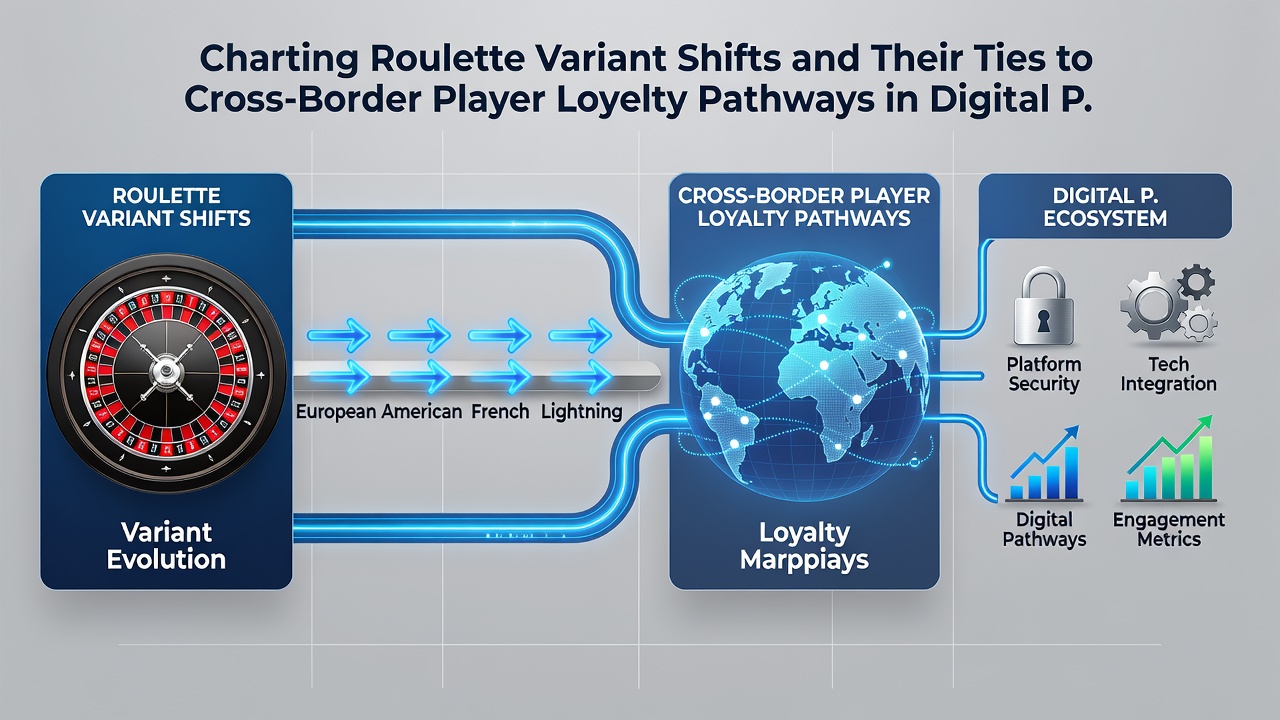
One documented pathway involves players starting on a platform licensed in the European Economic Area and later accessing a separate site operating under an Australian regulatory framework. Points earned on French roulette carry forward, unlocking tournament entries that feature American-variant tables. Industry reports from the European Gaming and Betting Association detail how such interoperability reduces player churn when regulatory changes force platform switches.
Data Correlations Between Variants and Retention Metrics
Analysis of session logs reveals that users who switch between European and hybrid variants within a six-month window demonstrate 18 percent higher retention rates than single-variant players, based on figures released by platform analytics divisions. Loyalty algorithms weight variant diversity when calculating bonus multipliers, which encourages exploration while maintaining consistent point accrual across borders.
Canadian regulatory summaries highlight similar patterns, where loyalty redemptions tied to progressive jackpot events draw participants who previously engaged only with standard American roulette. These pathways operate through encrypted data exchanges that comply with varying international standards for responsible gaming verification.
Regulatory Influences on Cross-Border Tracking
Licensing authorities in multiple jurisdictions require operators to maintain auditable records of player movement between game types, and this requirement has accelerated the adoption of standardized loyalty protocols. When a player relocates from a European license to an Asian-facing platform, the system preserves historical data on variant preferences to ensure reward offers remain aligned with prior activity levels.
June 2026 updates to reporting requirements in several markets prompted further integration of real-time variant tracking into loyalty dashboards. Observers note that these adjustments allow platforms to present variant-specific promotions to users whose cross-border histories indicate preference shifts, without violating local advertising restrictions.
Conclusion
Platform data continues to map connections between roulette variant adoption and loyalty pathway continuity across borders. Operators refine tracking systems in response to regulatory and player behavior signals, while maintaining compliance with jurisdiction-specific rules governing data sharing and reward distribution. These developments produce measurable patterns in how variant changes influence long-term player engagement on digital platforms.